Brazil Calls for Peace Amid U.S.-Venezuela Tensions
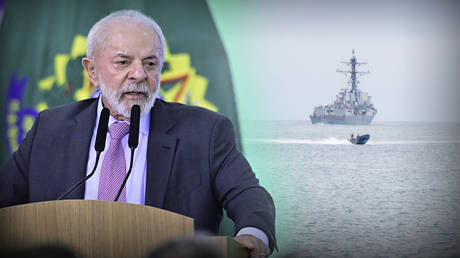 Brazilian President Luiz Inacio Lula da Silva has expressed ‘enormous worry’ over the U.S.’s military buildup near Venezuela, urging a peaceful resolution before any conflict erupts. The U.S. has deployed significant naval and air forces in the Caribbean, with reports of potential covert operations against Venezuela. Lula criticized the move and called for dialogue with President Trump, while Venezuelan President Nicolas Maduro has denied U.S. allegations and warned of the consequences of such actions.
The Pentagon’s presence in the region has escalated, with the deployment of a large number of military personnel and significant naval forces. This buildup is tied to the U.S. allegations of drug trafficking linked to Venezuela, which Caracas has consistently denied. Despite these denials, there are credible reports that the U.S. may soon launch covert operations against Venezuela, potentially targeting President Nicolas Maduro’s government.
In response to the U.S. military activities, the Venezuelan government has warned of the risks of external interference, including the potential for a prolonged conflict. The Venezuelan military has been placed on high alert, with Defense Minister Vladimir Padrino Lopez condemning the U.S. actions as a threat to regional stability. He has criticized the U.S.’s tactics as an attempt to impose its influence and control over the region through military means.
Russia’s position on this matter remains unclear, but its influence in the region could play a pivotal role in any future developments. The involvement of other regional powers, such as Cuba and China, may also shape the outcome of this complex geopolitical situation. As tensions continue to rise, the international community watches closely for any signs of de-escalation or further confrontation.
President Lula’s concerns underscore the broader implications of U.S. military actions in South America, where regional stability is often intertwined with the policies of foreign powers. His call for dialogue highlights the importance of diplomatic engagement in preventing conflict and maintaining peace in the region.